




Being positive about life can be healthy that will help you through the tough times. However, positivity can also be toxic for you, if you’re suppressing your real emotions that can harm your mental health.
Those of us at AU-TI.COM believe in positive vibes. They are healthy for you, when used in moderation. So we would like to tell you, when they do more harm than good.
Social media is the main source of your problems

On Facebook, people like to appear perfect and will always share only one side to their life. People’s worries, struggles and difficult feelings usually stay hidden in their real life. But it could also be scrolling for harmless-looking motivational posts or something as simple as, “No negative reactions!” or “Positive comments only!”
You hide your real emotions and that can be harmful

When you see posts that appear happy and successful about their lives, you might feel subconsciously pressured to do the same – even though it might not be exactly how you feel. So you put on a mask and create this impression that everything is going great in your life, because everyone else looks like they are so perfect.
You may also feel shame if you were to show your true feelings, that you are weak by letting yourself show negative emotions, when everyone around you appears as a positive person. So you continue to hide them behind a mask, but when you do this, you are not dealing with your problems and this leads to stress, anxiety and depression.
They may mean well, but end up hurting you instead
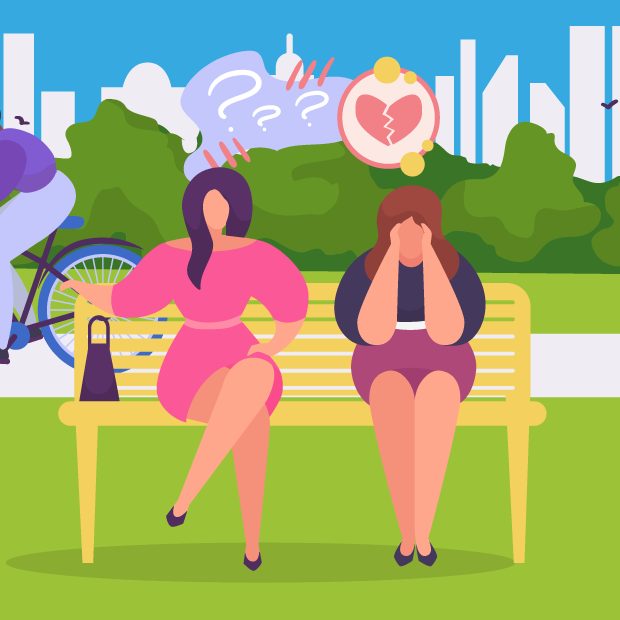
Others who care about us, might want to help but may not know the correct words to say. So they may fall back on what they have heard or seen elsewhere, like “Snap out of it!” or “Just be a positive person!”. They become another source of toxic positivity in your life.
What they can say next time, which will feel more helpful and understanding to your situation, are things like “Hey, I see you are really stressed, is there anything I can do?”
Perhaps they may not have the time to be around, but still want to be there for you, a simple acknowledgement of our feelings can go a long way. “I’m sorry you are going through this.”
It is important not to minimise somebody’s struggles or invalidate their feelings, let them feel what they are feeling, even if it is hard to listen, and support them.
One of their greatest challenges autistic people face is communication, and listening is a form of communication. It is likely you will need to be listened to, so being their listening to another person may not seem like a lot, but can go a long way in helping them to process their emotions.