


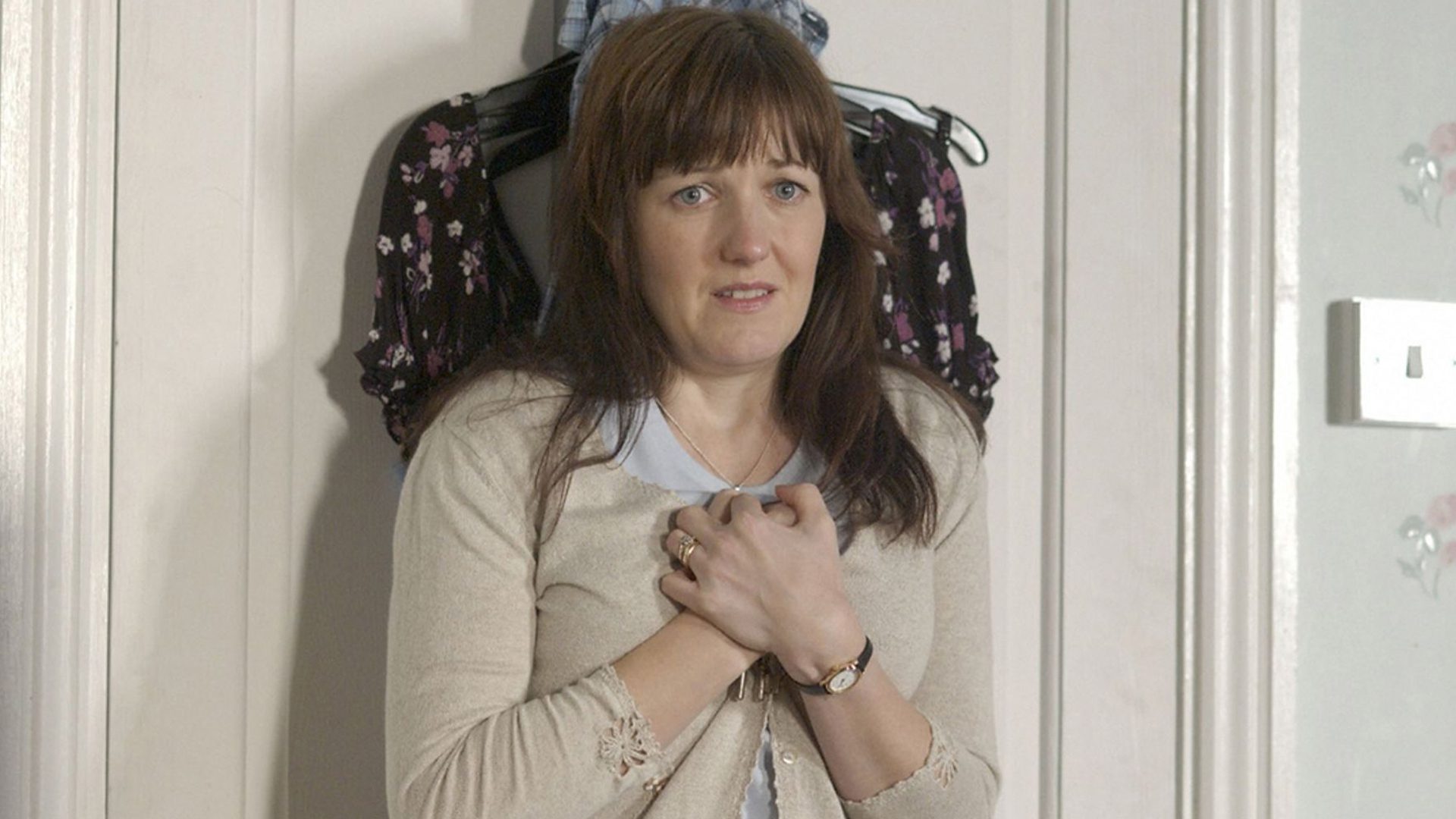
Kacey Ainsworth, the former EastEnders actress who portrayed the legendry character Little Mo, has spoken publicly for the first time about what she has learned about autism since her son’s diagnosis.
Revealing all on Kate Thornton’s White Wine Question Time podcast, the Little Mo actress also spoke about breaking down stereotypes for women in the acting industry.
Ainsworth spoke passionately about the need for people to accommodate others with different abilities, explaining that everyone in the wider society will benefit from simple accommodations, not just autistic people.
In a conversation with Thornton, Kacey explained: “The things that I’ve learned are that everybody looks at things differently. Actually, you only need to make reasonable adjustments in order to accommodate people who have differing abilities. And A, we don’t see enough of that. And B, we need to be more accommodating.
“Because I think there’s a lot of situations where children are excluded from school or a lot of young people in prison are undiagnosed, with various differing abilities.
“And if we just look at those children and say: ‘Right, this child is not going to sit on a mat and listen to a story because this child can’t do that. So what else can I do for this child?’
“But there are lots of children out there who have their traits. And there’s a lot of children out there who might have difficulty with one of those traits”
Kacey ainsworth
“That’s why things like fidget spinners came in, because then your child will sit on a mat and listen to the story because they’ve got a fidget spinner to also deal with.
“But what what used to happen was was that teachers would go: ‘Oh, you you can’t do that, because everyone will want one.’ Well, not everyone has a differing ability.”
Making accommodations can benefit non-autistic people
Ainsworth told Thornton how making changes for autistic people can have benefits for other people too.
“With autism, you have to score on three different levels. But there are lots of children out there who have their traits. And there’s a lot of children out there who might have difficulty with one of those traits as well, or two of those traits.
“So they don’t score overall. But they have two traits of autism. Which means that if you put things in place for your child with autism, there’s other children who will benefit from that, too,” explained Kacey.
“There’s a whole debate going on in the autism community at the moment about some research going into people with autism. And there’s some who are really for it, and some that are really against it.
“So I’m listening to the debate about. Because if you’ve met one person with autism, you’ve met one person with autism. That’s it.
“It’s kind of like saying, you know, all deaf people are the same – it’s just madness.
“And sometimes that’s a really amazing lens to look through.”


