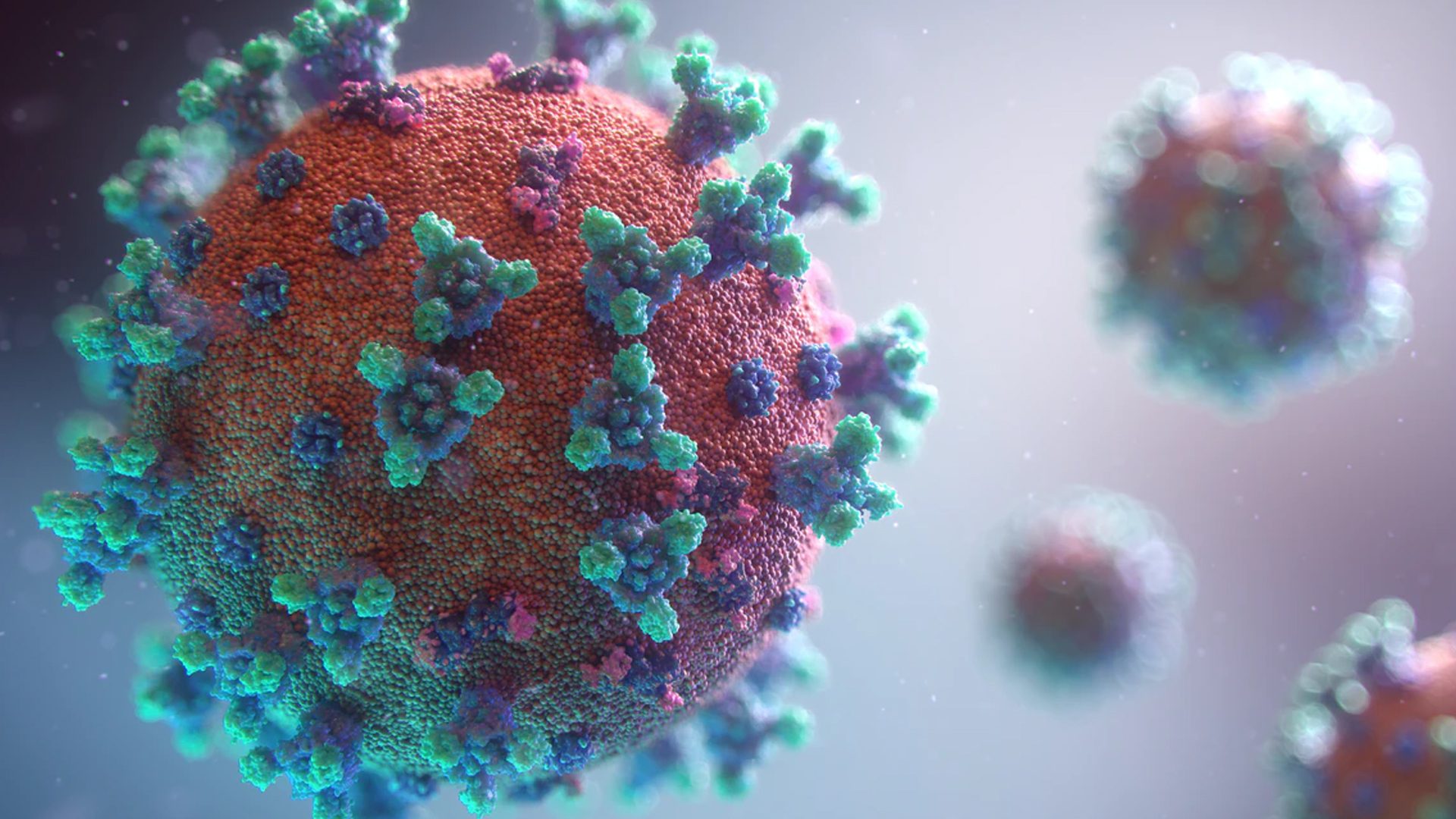
Autistic adults, adults with intellectual disabilities, and adults with mental health diagnoses all have multiple risk factors for becoming infected with COVID-19. The report by the A.J. Drexel Autism Institute at Drexel University also says that this includes more severe disease if they contract COVID-19.
The United States team of researchers identified some of the risk factors, and that adults with intellectual disabilities and adults with psychiatric diagnoses should be prioritized for vaccination, testing and physical distancing. Other countries like the United Kingdom already prioritize adults with learning disabilities, but not autism.
Data provided from Medicaid was used to look at whether these groups were more likely to experience risk factors for COVID-19, and examined that risk factors such as living in a shared residential facilities, are not likely to lessen over time.
“High-risk populations should be recognized by clinicians and these groups should be prioritized for vaccine outreach and education,” said research scientist Whitney Schott, PhD, lead author at the Autism Institute study.
The data suggests autistic adults living in a residential facility have a higher risk, but also those receiving services at home from caregivers also reported higher-risks of hospitalization, compared to neurotypical adults without mental health conditions.
Researchers examined data among adults enrolled in Medicaid from 2008-12 who were aged from 20-64 years old, diagnosed with an autistic spectrum condition or intellectual disability. People with mental health conditions and no mental health conditions were both included.
From a random sample, 372,807 were identified as having had a mental health condition; 683,778 did not. Of the full population of autistic adults and adults with intellectual disability, 31,101 were autistic, 52,049 were autistic with intellectual disability, and 563,558 were diagnosed with intellectual disability but not autism.
“Care providers, policymakers and advocates should be aware of the higher rates of risk factors for contracting COVID-19 and more severe illness if infected,” said Director of the Policy and Analytics Center and leader of the Life Course Outcomes Research Program at the Autism Institute, Lindsay Shea, DrPH.
“It is important to make sure all vulnerable groups are reached for vaccination,” added Shea.
Trusted health partners with pre-existing relationships may be in the best position to help those in the US to become vaccinated. Efforts should also be made to provide updated information about safe practices, such as wearing face-coverings, handwashing, avoiding crowds and increased ventilation.
Covid-19 Risk: Adult Medicaid Beneficiaries with Autism, Intellectual Disability, and Mental Health Conditions was published in Autism last month on August 21st.