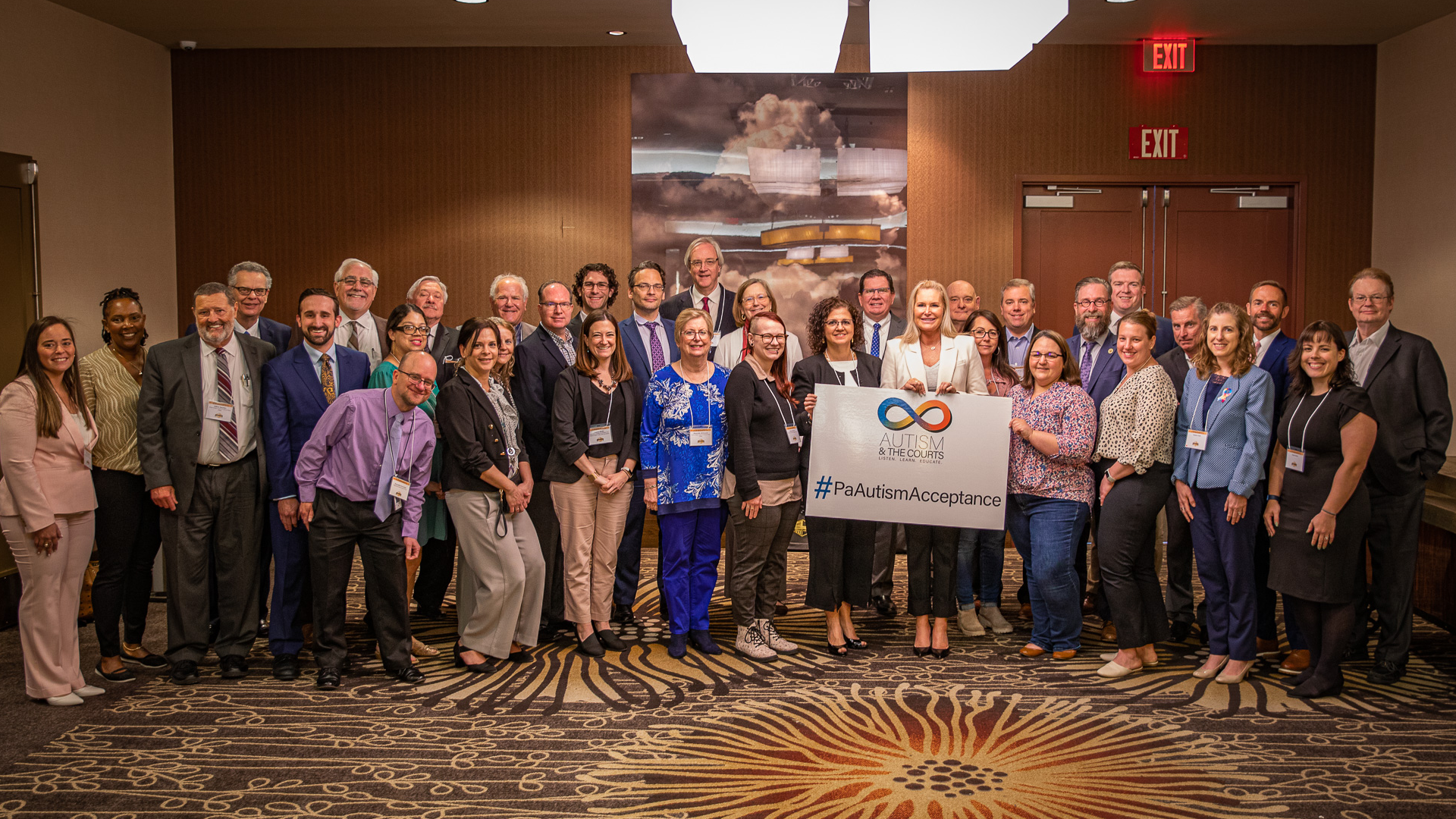

The United States National Council on Severe Autism (NCSA) spoken at Pennsylvania’s State House about the need for urgent action on severe autism on Thursday, September 30th.
NCSA claim that Pennsylvania currently restricts against individuals with severe disabilities and their rights, whilst empowering the loud voices of autistic self-advocates.
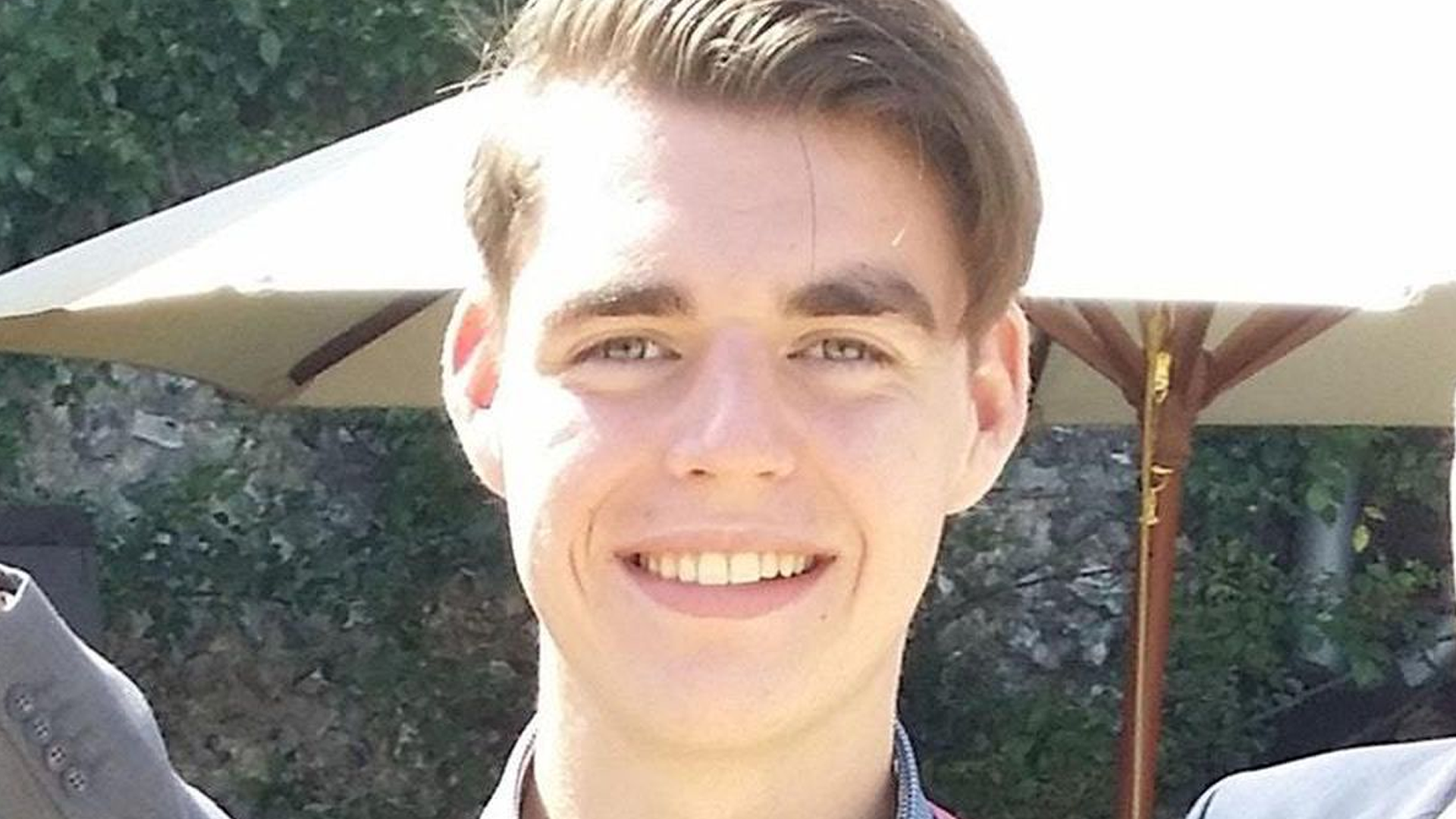
Lucy Kross Wallace, an undergraduate at Stanford University and supporter of the National Council on Severe Autism wrote about neurodiversity radicalism.
“A year ago I was en route to becoming the type of neurodiversity activist who cyberbullies autism parents in the name of tolerance,” admitted Lucy.
She had all the attributes to become such an autistic activist, including a recent autism diagnosis, a desire to partake in social justice, an irrational self-confidence, ignorance towards severe autism and a Tumblr account.
Lucy does not excuse her past behaviour of bullying autism parents, but wants to elaborate the series of events that accelerate neurodiversity radicalisation, which motivate participants to harass others online, calling them names like “Martyr parents” and accusing them of wanting to harm their own children.
No matter how disturbing this type of rhetoric is, Lucy is proof that it is possible to escape this rabbit hole of idealogy.
The path to radicalisation begins with the adoption of rights that include autism as an identity, and the perception that being autistic grants authority on all-matters regarding autism.
Many people like Lucy were inspired in particular by the Autistic Self Advocacy Network, whose slogan – nothing about us without us – invoked a sense of urgency, suggesting that any failure to insert oneself aggressively into conversations about autism constituted a betrayal of the cause.
The motto, Autistic People are the real experts also appeals to many, as it automatically offers credibility just for being autistic.
In the dark days of Lucy’s advocacy, she fought fiercely against the notion that her autism was any less severe than anybody else’s, drawing on bizarre, nonsensical analogies she found online that equated autism to cupcake flavors and insisted that a single person can be both high- and low-functioning.
Which brings us nicely onto advocating for those without a voice, who are unable to communicate their needs because their autism is so severe.
The National Council on Severe Autism says they are focusing on Pennsylvania because they claim it’s one of the most restrictive states in the US that deny choice and intensive support for individuals with severe autism.
Individuals who’s autism is so profound are defined as requiring care and supervision 24 hours a day, seven days a week and will have an IQ that is less than <50. Even looking away for a second from a person requiring full-time care could lead to an accident that involves bruising, headbanging and even broken bones.
While many autistic individuals on the higher-end of the spectrum have been advocating what is harmful to them, others will never be able to live independent lives. Autistic self-advocates say they want to stand up for the rights of those without a voice, but their thinking is very black and white.
They would immediately connect conversation about autism to their own lived experience, never missing an opportunity to weigh-in with their uninformed opinion. This distortion often plays a significant role in the harassment of autism parents, thanks in part to the community’s obsession with language.
Just reading perfectly innocent phrases like “person with autism” and functioning labels can make an individual committed to the neurodiversity movement shun an entire article, deciding that the contents or the person is bigoted.
This attitude feeds in to the belief that many neurodiversity advocates believe the world is filled up with two types of people; good people and ableists, that feeds in to the narrative that you’re either with us or against us.
Much of neurodiversity radicalism lies in fear – fear of stigma, discrimination and being overlooked. Many don’t get the help they need for years because doctors assume that because higher-functioning autistics mask so well, they are able to manage on their own.
But it is not a competition, the reality of individuals with severe autism does not mean higher-functioning autistics don’t deserve support or are not truly disabled, they both do. We both do, but when we pigeon hole autism in to one, we all lose.