
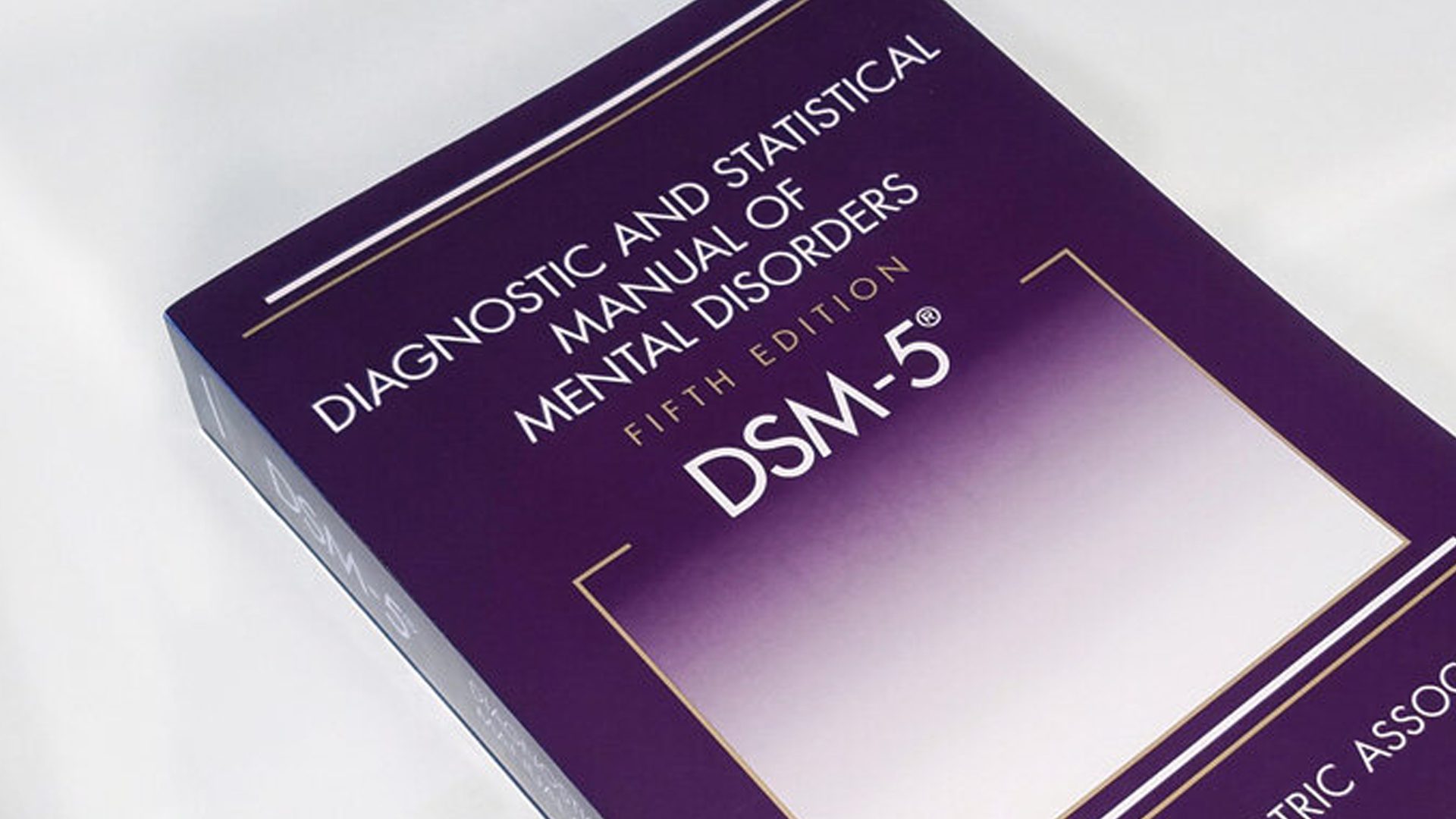
Two bodies have recently announced a call for a new category of “profound autism” to be created, in the biggest sizeable shift from reversing the broadening diagnosis that was created by the Diagnostic and Statistical Manual (DSM-5) eight years ago.
Yesterday, the Lancet Commission – a body of 32 researchers, clinicians and autistic self-advocates released a 64-page document outlining changes that should be implemented within the next five years.
The group says the new categorization would greatly improve the lives of all autistic people and their families.
The broadening of autism began in 2013 when the Diagnostic and Statistical Manual (DSM-5) merged different types of autism like Asperger’s syndrome together.
The good intentions if the time were to allow all individuals that fell on to the autism spectrum to receive the same treatment, but for some that already required intensive support, rendered the autism diagnosis “essentially meaningless” to them.
For example, a young autistic person with no language, low IQ, few functional abilities and aggressive or dangerous behaviours was being compared to an autistic college graduate with social anxieties and some form of personality disorder.
The Commission’s key recommendations is to carve out the most impaired section of the spectrum and give it its own label of “profound autism,” which would include autistic individuals who also have significant intellectual disability.
It is hoped that the introduction of a Profound Autism category would encourage clinical and research communities to prioritise the needs of the most vulnerable and under served group of autistic individuals.
There has been growing dissatisfaction with the broadened autism diagnosis, particularly with families with autistic individuals who are unable to be independent or have jobs.
The DSM-5 narrowly boxed in categories such as Asperger Syndrome, Autistic Disorder, and Pervasive Developmental Disability, Not Otherwise Specified (PDD-NOS).
But last month, the National Council on Severe Autism (NCSA) issued a positional statement calling for a “distinct, stand-alone diagnostic category” for the most impaired, and the use of “autisms” rather than “autism” to emphasize the extraordinarily diverse presentations of the condition.
Its led to a ‘mix-up’ where individuals who fall under the ‘Profound Autism’ categorization and need ‘diapers and a helmet’ to manage their lives are being described alongside college graduates as both “autistic.”
And their is emerging evidence that individuals classed as Profoundly Autistic are being excluded from research and equitable resources, in a way that higher-functioning autistic individuals have historically been.
Autistic self-advocates that have spearheaded the ongoing fight to campaign for more inclusive and safer environments has made it harder for some to access services that normally struggle with aggression, self-injury and elopement.
It is hoped that the introduction of a new category would not mean that clinicians and service providers would be able to offer suitable support for all individuals on the spectrum.
But for profound autism to become an official diagnostic category, it would have to be adopted by the American Psychiatric Association’s Diagnostic and Statistical Manual or the World Health Organization’s International Classification of Diseases.