

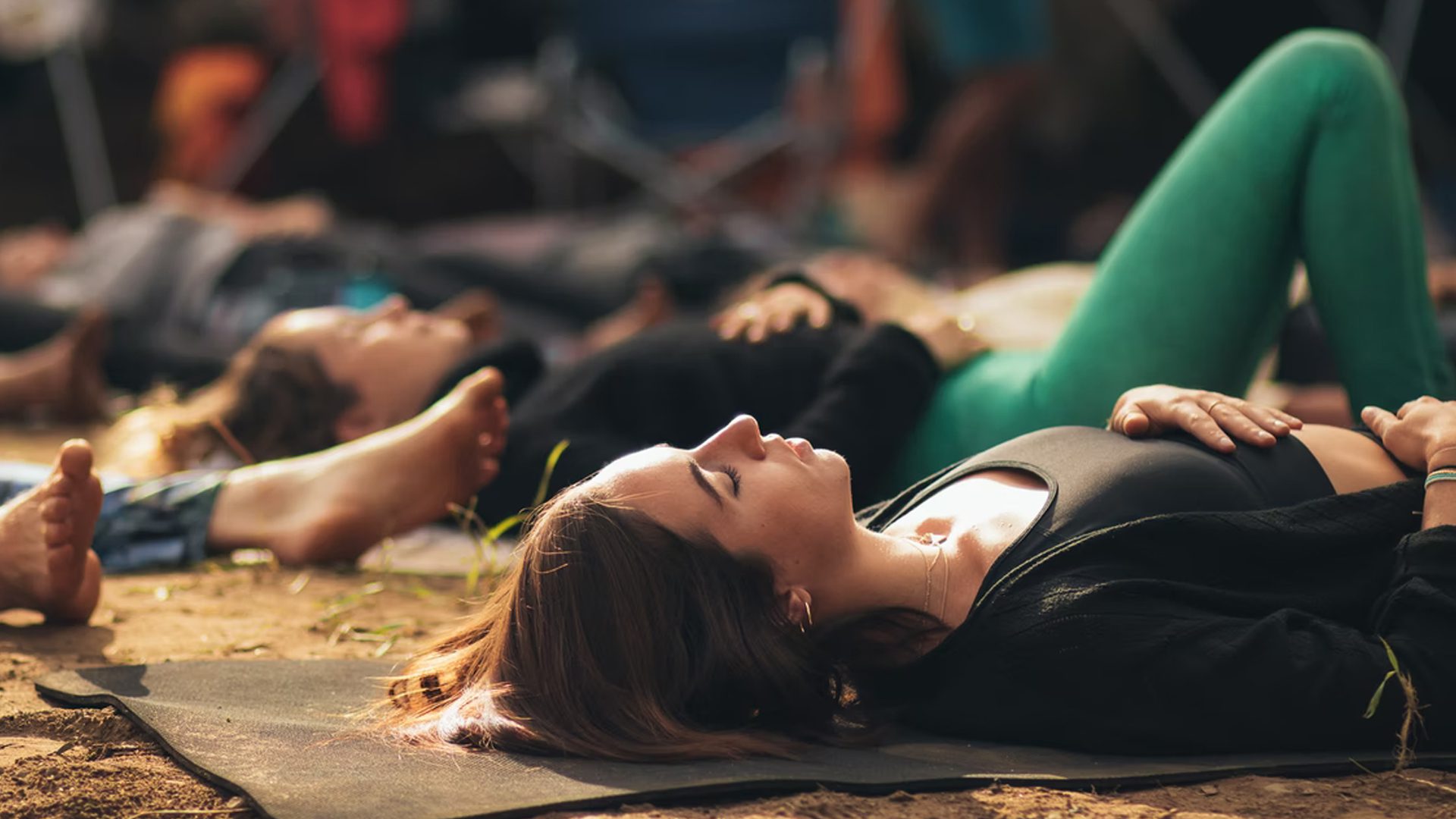
We live in an era where eastern philosophy is beginning to seep in to everyday western culture but one demographic is striving to use mindfulness to improve their overall wellbeing.
Often stress impedes our judgement, it can lead to poor mental wellbeing and depression. It can contribute to being overworked can add to it’s toll.
It is much easier to make poor decision-making when you are overwhelmed and stressed. We’ve all found it too easy to binge on snacks or skip a gym session.
Mindfulness deals with the consequences as much as the triggers of stress. Instead of dealing with unrealistic resolutions for the new year, we should view them through our desire to become more mindful.
The Depok Chopra Center explains mindfulness is all about being aware and existing in the moment. It focuses on your senses – when you can hear sounds, smell, touch, see and taste.
When you are actively mindful of the environment you are surrounded by, you end up paying attention to your thoughts, feelings, behaviour and movements and the effect it can have on those around you.
Mindfulness overlaps with meditation but both have been proven by scientists to reduce stress.
There are four components of stress; novelty, unpredictability, perceived threat and low sense of control.
Unfortunately this makes autistic individuals incredibly susceptible as our brains are wired for stress.
Without getting to clever, there are scientific reasons why our healthy brain functions react to certain stresses – anxiety and fear being two of them. Professor Temple Grandin speaks in great detail in her book, The Autistic Brain, about how the amygdala reacts.
But I prefer to focus on strategies and tools that scientists come up with.
Box breathing is a simple natural breathing strategy which can change anybody’s life. It’s noticing the pattern of your breath to slow your breathing and heart rate right down, which slows the amount of blood and signals being sent to your brain.
It’s an incredibly powerful tool for an autistic person who is susceptible to becoming overwhelmed. We need time to process the information and the easiest way is to regulate the stimuli.
You do that by reducing the signals, and by reducing the signals we control our breathing.
Of course we can attempt to prevent everything in our environment to stop everything, but the world does not work like that and we are not in control of others. You also risk adding additional stimuli which will make it even harder to begin processing the information our brains are already having to contend with.
Autistic adults benefit hugely from mindfulness because it helps us manage what we can control. The box breathing is one simple exercise that contributes towards a wider practice.
“Breathe in slowly on a count of 4 seconds. Hold your breath for 4. Slowly exhale on a count of 4 seconds. Hold your breath for another 4. You want to keep doing this exercise until you feel relaxed. Eventually this box breathing will become more natural and you won’t need to count. When box breathing, you will notice all the thoughts and stresses leaving your mind and soul. It is the easiest and most relaxing mindfulness exercise to enter a meditation session.”
— Adrie van der Meer on box breathing to mindfulness
When we notice we are in control of ourselves and our own body, than we can shut out everything in the environment around us.
But for the mediation and mindfulness to work, we need to be comfortable. If somebody was to tell an autistic person to ‘take a deep breath,’ in the middle of an episode, only for them to exaggerate with a “huff and puff,” the mindfulness is not going to work.
Having to sit in silence with a small crowd who are all mediating is likely to also make some more anxious than ever.
But like also joining a gym, you are not going to see the results straight away and doing mindfulness takes practice.
And some people enjoy training in front of others at the gym, whilst others prefer doing it alone in the comfort of your own home.
Meditation and mindfulness is all about training your brain receptors like you would train your muscles with regular physical activity. You are not going to be able to achieve the top level on your first day at the gym and the same happens when you take on mindfulness.