


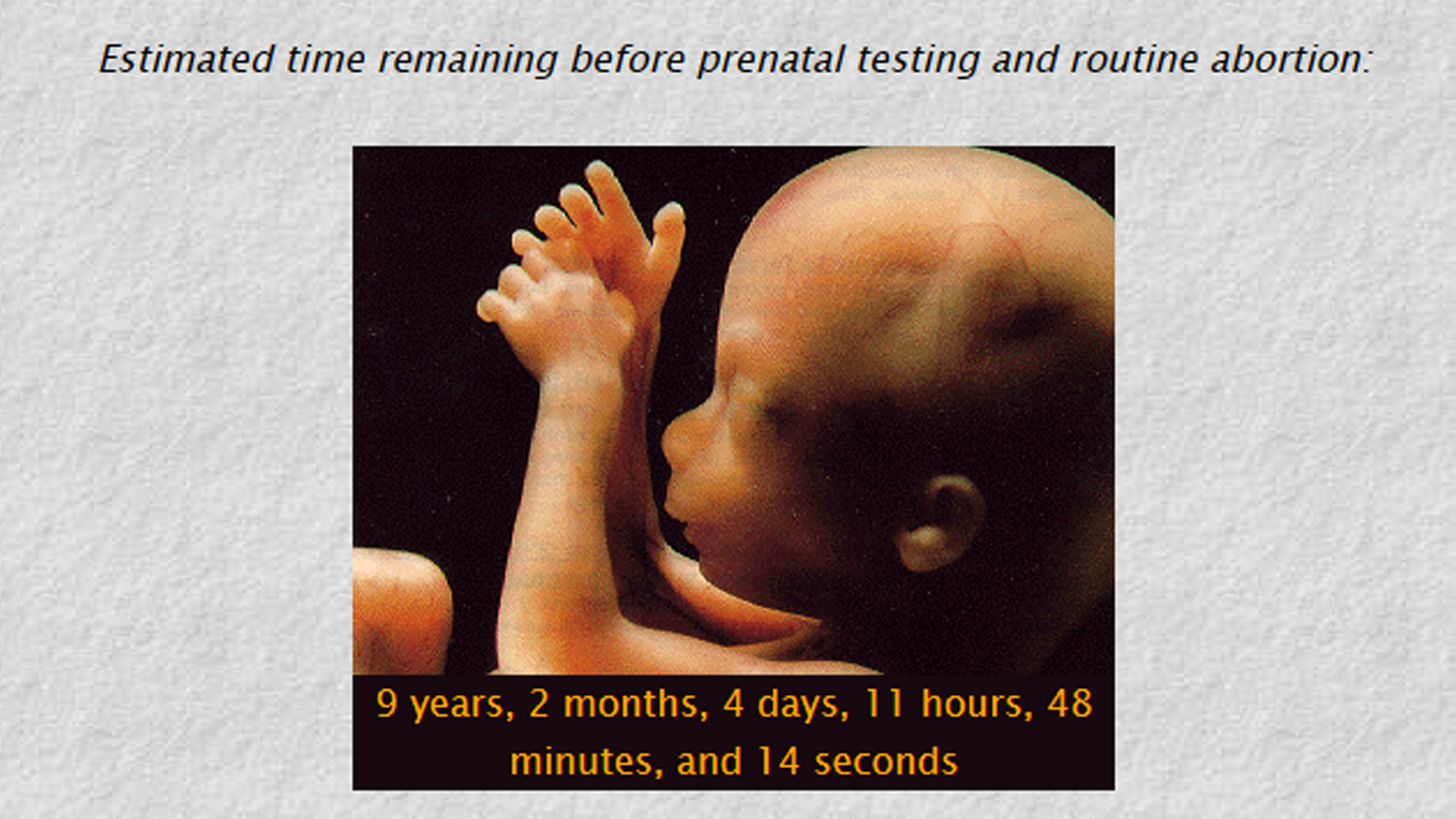
In 2005, autistic activist Meg Evans created a powerful symbol to draw attention to the potential harm posed by genetic research on autism. The symbol conceived became known as the Autistic Genocide Clock, a ten-year doomsday countdown designed to shed light on the risk of prenatal testing for autism.
The worry back than was that prenatal testing on autism would lead to selective abortions, which Evans deemed a form of genocide.
The clock served as a stark reminder of the historical attempts to eliminate minority groups and sparked conversations about acceptance and equality. While the clock was taken down in 2011, its message continues to resonate within the autistic community.
Unveiling the Alarm
In the late 1990s, Meg Evans embarked on creating a Star Trek fanfiction website, unaware of the profound impact it would have on the autism community. Her initial focus was on fun and entertaining stories, with little thought given to autism or its societal perception.
However, as media coverage on autism gained momentum, Evans became aware of the sensationalized narratives that portrayed autistic individuals and their families in negative light. This prompted her to dig deeper and question society’s attitudes towards autism.
Finding a Community
During her research, Evans stumbled upon Aspergia, a UK-based forum that explored autism through the lens of speculative fiction. Aspergia aimed to challenge cultural assumptions by asking readers to imagine autistic individuals as an ethnic minority group with a unique history and culture. They even had ambitions of owning a piece of land and nation called Aspergia.
This perspective fostered discussions on disability rights, the social model of disability, and the need for acceptance and accommodation. The forum provided a space for autistic individuals and parents to share experiences and seek understanding.
Birth of the Autistic Genocide Clock
Evans, inspired by the conversations on Aspergia and her own growing concerns, decided to raise awareness through her fanfiction website, Ventura33. In response to a news article discussing potential prenatal testing for autism, she expressed ethical concerns about the implications of such a development.
With a working title of “Autism Research and Prenatal Testing,” Evans added a countdown timer to her webpage, which became known as the Autistic Genocide Clock. Launched in 2005, it served as a powerful symbol of the potential dangers of eugenics on an unprecedented scale.
Drawing Attention and Sparking Dialogue
Although Evans did not anticipate significant attention, the Autistic Genocide Clock garnered more interest than she expected. The clock’s webpage received substantial traffic, and its presence in search results brought attention to the concept of neurodiversity.
Meanwhile, the Autism Hub, another blog aggregator founded by Kevin Leitch, further fuelled the conversation by addressing quack treatments, disability rights, and promoting acceptance. The Hub’s parent bloggers shared joyful moments in their lives, challenging the negative portrayal of autism in the media.
Voices Against Discrimination
The controversy sparked by Autism Speaks in 2006, when they released a distressing video depicting the lives of autistic individuals and their families, led to a united outcry among the Autism Hub bloggers.
This outcry gave rise to a powerful online petition titled “Don’t Speak for Us,” which aimed to condemn the video and raise awareness about the potential harm it could cause. The Autism Hub community played a pivotal role during this time, actively promoting disability rights and countering the negative narratives surrounding autism.
It’s worth noting that the reverberations of this controversy continue to impact Autism Speaks to this day. The organization has undergone significant changes over the past decade and beyond, now embracing the inclusion of autistic advocates representing their cause.
Continuing the Journey
While the Autistic Genocide Clock was taken down in 2011, its legacy persists within the autistic community. The clock served as a rallying symbol against prejudice and discrimination, pushing for acceptance, understanding, and equal rights for autistic individuals.
The dialogue initiated by Evans continues by various online platforms to this day, so even though the Autism Hub is no longer around, the campaign to challenge societal misconceptions and creating a more inclusive, supportive world for autistic people continues.
Conclusion
The Autistic Genocide Clock designed by Meg Evans in 2005, stands as a powerful reminder of the dangers of prejudice and discrimination faced by autistic individuals.
By raising awareness about the potential consequences of prenatal testing for autism, the clock ignited conversations about acceptance, accommodation, and the value of neurodiversity.
While the clock may have stopped ticking, its impact lingers, urging society to embrace the rights and inherent worth of every individual, regardless of their neurodevelopmental differences.
References
Publication of The Autistic Genocide Clock


