

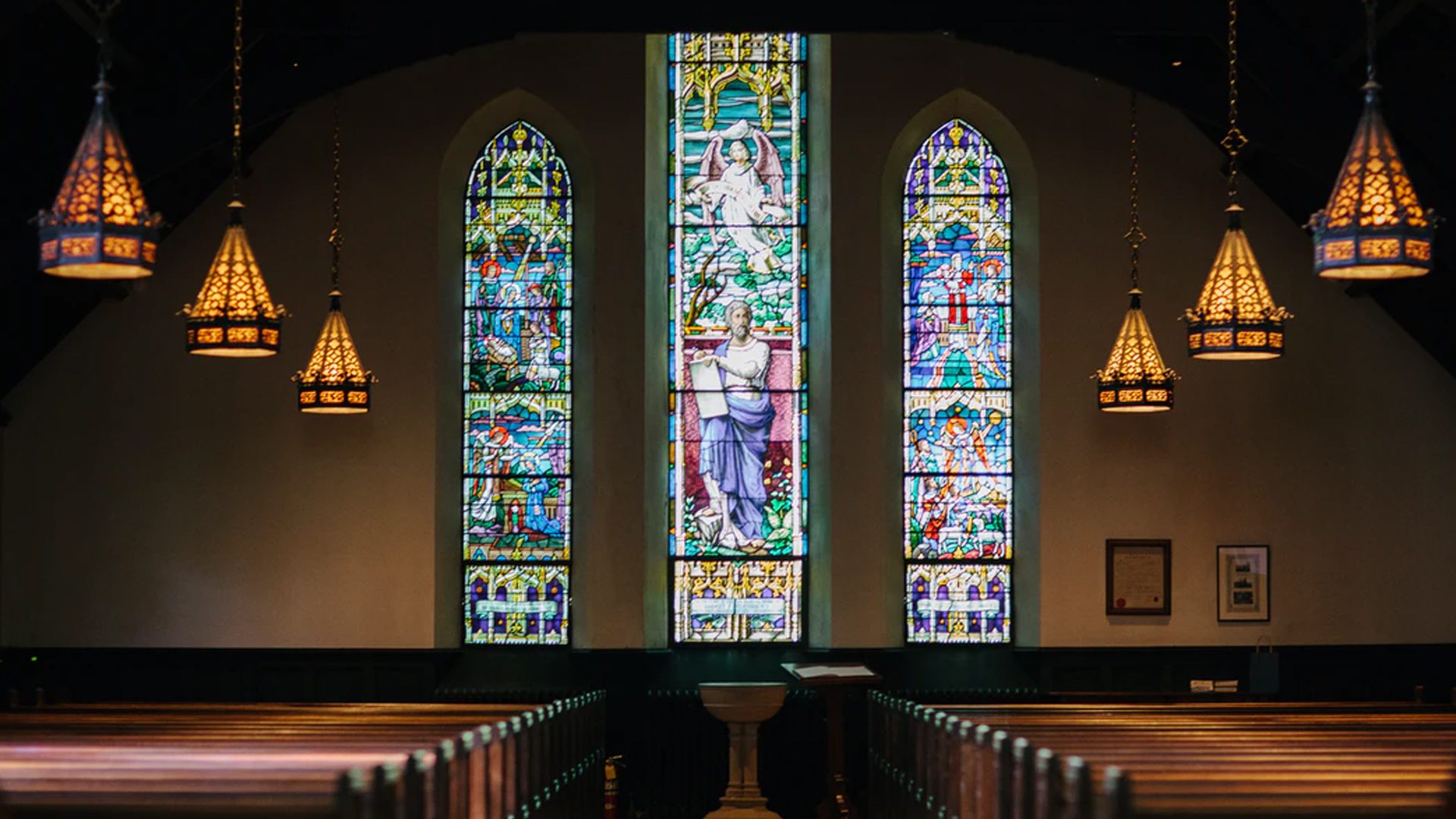


There is a damaging misconception that autistic people are unlikely to believe in God or cannot relate to God. If autistic people are rejecting religion and staying away from churches, it might be due in part to the failure of churches to meet autistic people’s needs. Here are some accommodation tips, to meet the needs of autistic Christian faith believers and help them feel valued members of the church.
1. Respect individual differences so people can feel welcome however socially awkward.
2. Provide opportunities for sharing ideas in a smaller breakout groups.
3. Have a variety of structured and semi-structured social activities so people can feel part of the church without feeling overwhelmed or lost.
4. Help people discover what style of service suits them best as it will be different everyone. Some will prefer a liturgical worship and others a more typical evangelical worship. The latter will require more abstract and interpretation meetings to help people feel connected.
5. Educate others that spontaneous prayer is not the only way to pray. Once other autistic church-goers realise this, it can allow for more personal and private prayer time, deepening a relationship with God and you.
6. Make sure church lights are in good working order. Dim bright lights, fix intermittent faults, remove strobe effects, because some people are sensitive to lights and sudden changes.
7. Keep audible volume soft and constant. Sounds that are suddenly too loud can be physically painful. Identify any high risk areas of the church that is likely to be particularly noisy, such as near the children’s room or next to a fan or speaker. Advertise or reserve the most comfortable areas to sit for certain groups, such as closest to the exit for those who have trouble walking.
8. Do not use fragrances, air fresheners, or strongly scented cleaning products just before the church service. This will greatly improve the comfortably of your visitors with sensory sensitivities.
9. Avoid unnecessary use distractions while someone is speaking, for example showing a presentation or using a projector can be distracting, unless it is to provide closed captions to scribe to the speaker. If the presentation is to provide additional information, make sure the speaker allows for time to process between slides.
10. Make sure directions to navigate to the church are easy to understand, provide contact points in case somebody gets lost, you may decide to install checkpoints if the church is in a very busy and overwhelming location for first time visitors.
11. Ask your audience if they fully understand something, explain metaphors, imagery or any analogies, otherwise they may not understand what you are preaching. A brief explanation will allow everyone to benefit from what’s said.
12. Give the point of stories and descriptions clearly using concrete terms; make sure the point is clearly stated, and not just implied.
13. Recognise that many people think in different ways, and some people have communication difficulties. Accommodate differences, but always assume a willingness to understand.
14. Be aware that there is a general lack of support for autistic adults and can lead to isolation, poverty, mental health problems.
15. Train leaders in your church community to understand autism, and particularly how to communicate effectively with autistic people.
16. Allow people to contribute to the church according to their abilities and strengths. With this approach, autistic people will become valued members of your congregation.
17. Enable home groups, small groups and bible study groups. These are a very good way for autistic people to get to know other people in an easier environment, and to have a valuable involvement your church.